My Classes
Are you ready to start your first class?
Click here to start
Click here to start


Saturday, September 26, 2026 11:00 am EST time
58 From 3D Scoliosis to Hyperboloid
Jean Claude de Mauroy
For 200 years, physical therapy has been the cornerstone of conservative treatment for scoliosis in Lyon. Physiotherapy is anchored in an in-depth understanding of the verticality of homo sapiens. By manipulating the body’s natural mechanics and recuperative abilities, physiotherapy aims to correct the deviation, relieve pain, and improve overall health and quality of life. Engaging an array of scientifically endorsed techniques, physiotherapists assess, diagnose, and treat all forms of spinal deviation in the three planes of space.
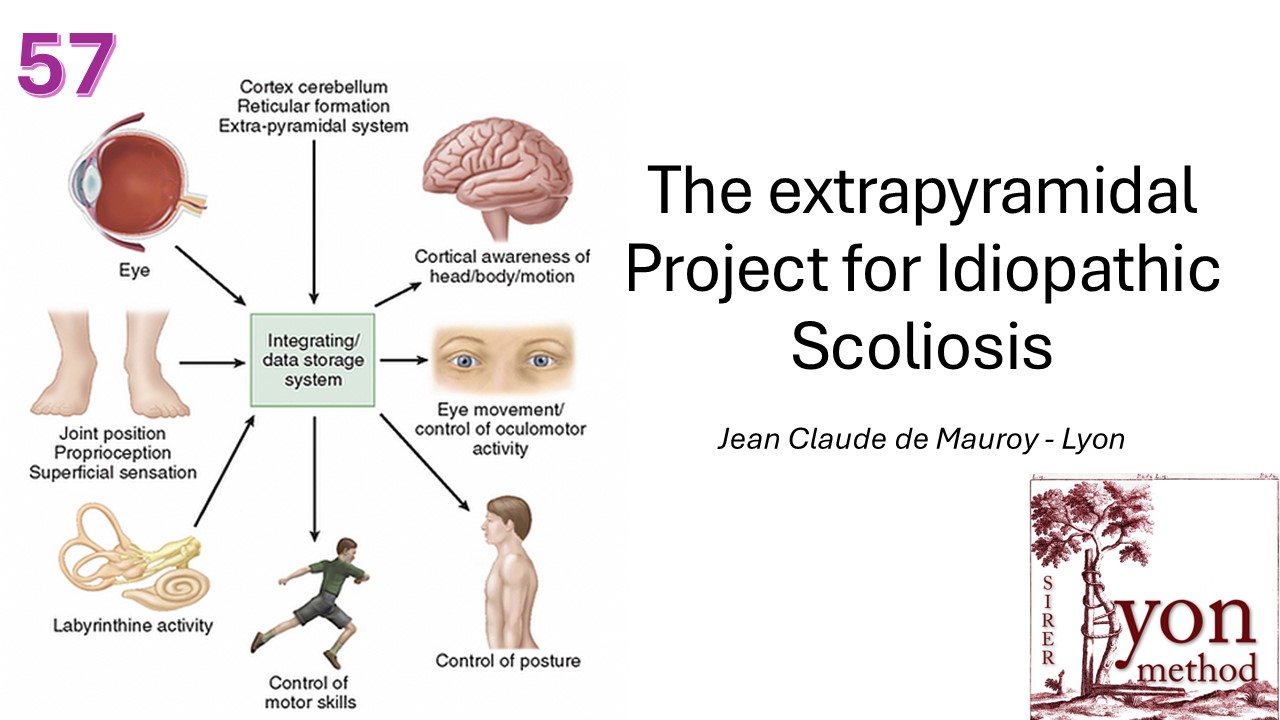
The practice of physiotherapy encompasses a broad spectrum of treatment modalities, each chosen to fit the individual needs of the patient. One of the unique features of the Lyon method is based on the extrapyramidal system, following Flourens' experiments on pigeons with scoliosis. From the proprioceptive afferents to the four efferents, via the vestibular, ocular, and rhombencephalic centers the goal remains consistent: to fix and reduce the curve. By combining the use of a brace with physical activity, the Lyon method can delay the need for surgery for curvatures greater than 40°. A pivotal aspect of this field lies in its commitment to evidence-based clinical practice, ensuring that the techniques employed are backed by rigorous research and clinical trials. Although the Lyon method includes original exercises, it also incorporates, as appropriate, exercises characteristic of other methods—such as the original Schroth method—when apical collapse is present.
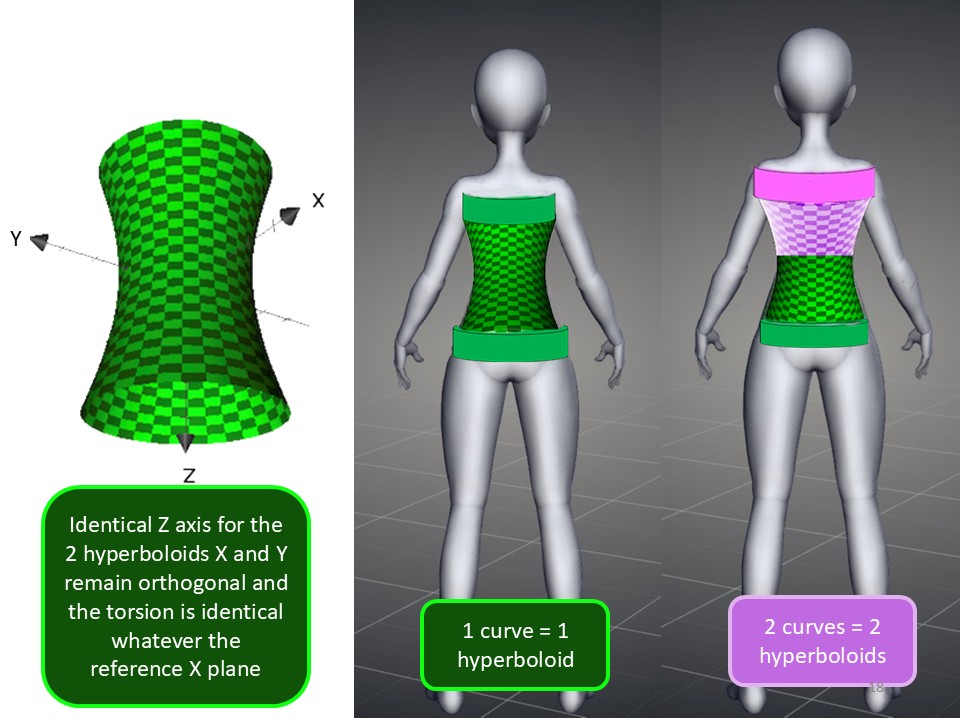
Unlike surgery, the physical therapist corrects the curvature by working on the rib cage and soft tissues for curvatures below T10. The biomechanical methodology is the hyperboloid and the use of coupled movements in the frontal and sagittal planes to open the concavity. The alignment is gravitational.
Physiotherapy revolves around foundational principles that dictate its approach to patient care. These principles emphasise a personalised assessment, where physiotherapists design targeted treatment plans based on each patient’s specific needs. The core of Lyon physiotherapy lies in its understanding and application of biomechanics, neuroscience, and physiology to promote correction of the curve and prevent future issues. Treatments often involve exercises, manual therapy, education, and advice for patient & family, fundamental in nurturing patients’ participation and empowerment in their recovery process.
A physiotherapist acts as a pivotal figure within the healthcare sector, using dedicated scientific knowledge to optimise patient outcomes. They undertake a ‘whole person’ approach to treatment, considering the unique aspects of an individual’s lifestyle and health. The function of a physiotherapist is multifaceted, often including the assessment, diagnosis, and treatment of a range of vertebral deviations affecting the physical function of the body. They pair hands-on therapy with education and support, not only to rehabilitate but also to educate patients on preventing recurrences.
Lyon Physiotherapy is underpinned by the science of automatic movement, which encompasses understanding how the body’s components function together to allow movement. Biomechanics and physiology alongside the extrapyramidal system are critical for maintaining functionality and mobility.
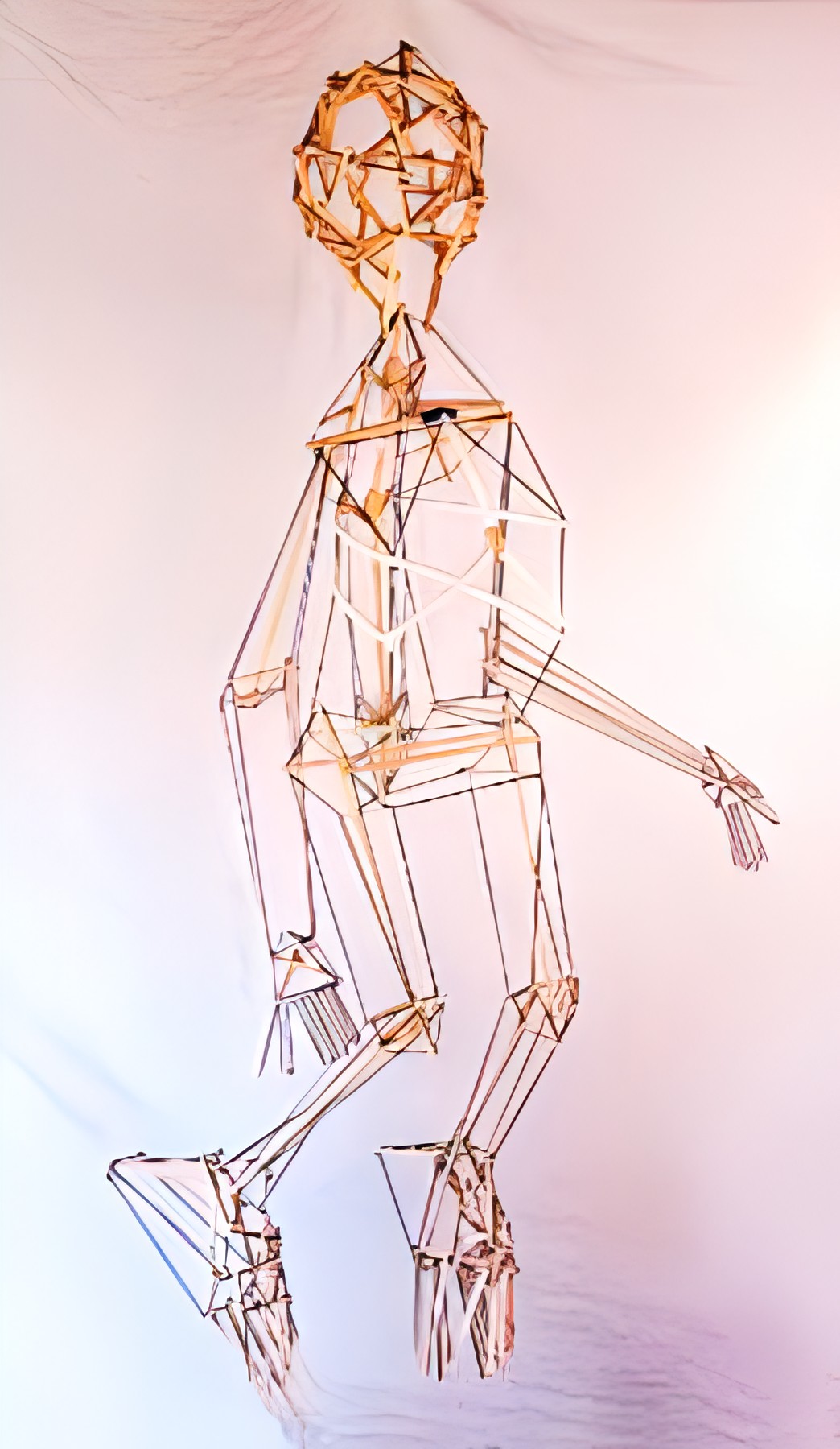
Since specializing in musculoskeletal biomechanics nearly 50 years ago, Jean Claude de Mauroy has strived to apply concepts such as tensegrity and nonlinear chaotic systems to the physiotherapy of scoliosis. It is crucial in physiotherapy to understand how muscles, bones, tendons, and ligaments work together during growth. This teaching is part of the Lyon method. Together, these sciences explain how physiotherapy can rehabilitate, correct the deviation and enhance physical function by manipulating these principles to improve movement efficiency and decrease the risk of scoliotic progression.
The nervous extrapyramidal system is integral to movement, associated with and essential to the voluntary pyramid system, to coordinate all physical activity. Motor neurons transmit signals from the brain to the type 1 muscle fibers, regulating muscle tone and guiding voluntary movement, much like your car's drive assist. Physiotherapy interventions often target these neural pathways to address the root cause of scoliosis and reprogram this automatic response when a brace is necessary. By retraining the nervous extrapyramidal system, they aim to improve alignment, equilibrium, balance and posture.
From birth onward, the extrapyramidal system continues to develop throughout life. The Lyon physiotherapist incorporates a maturational approach tailored to the patient’s age, combining traditional reactive postural feedback with predictive postural anticipation. Tailored exercise programs are developed to target specific muscle fibers and to restore functional capacity. The extrapyramidal training method is specific. It is performed at a slow pace using aerobic metabolism to account for the characteristics of type 1 muscle fibers, which predominate in the spine.
Scoliosis is not a medical emergency; quality of life can be nearly normal with scoliosis of less than 70°. Non-surgical treatment focuses on the extrapyramidal cause of chaotic scoliosis, and when the Cobb angle exceeds 25°, the Lyon brace is not merely cosmetic but provides a lasting correction of the scoliosis angle.
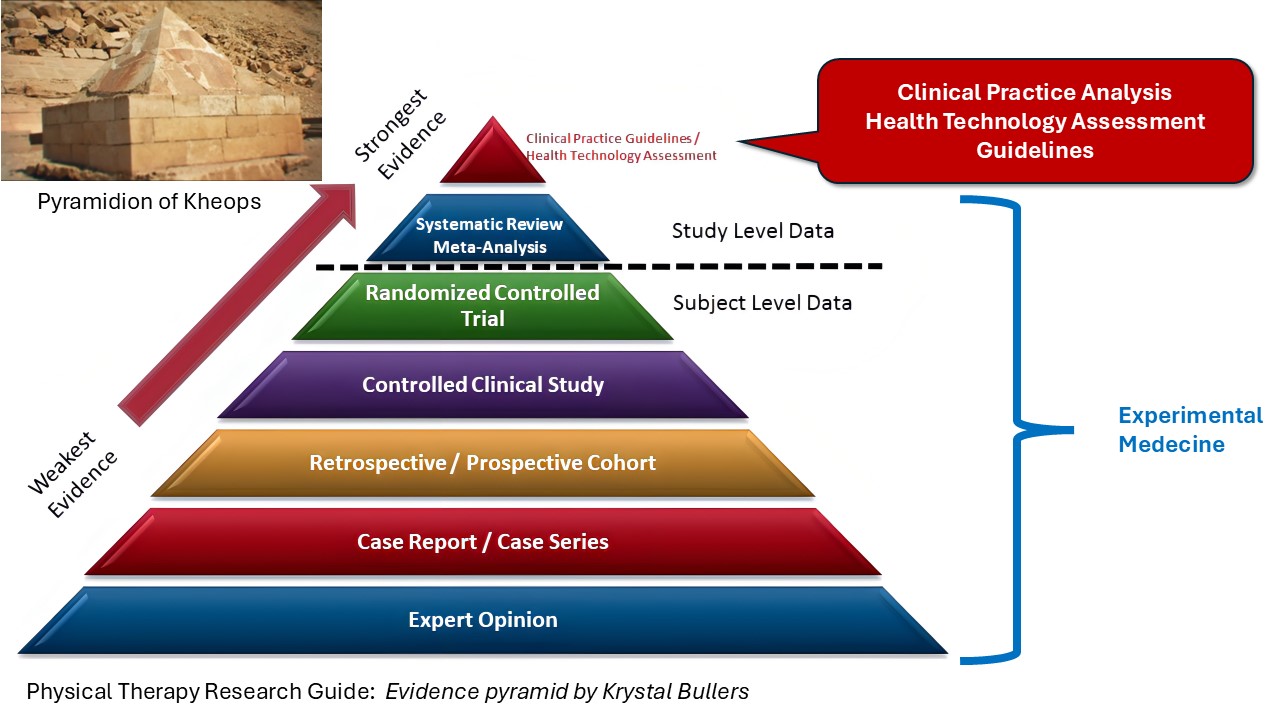
Evidence-Based Practice (EBP) in physiotherapy ensures that patient care is grounded in the most credible research available and blends it with clinical expertise. The Lyon method was validated based on clinical practice analysis and health technology assessment, rather than on experimental evidence.
In physiotherapy, research and long-term clinical evidence represent the foundation of EBP. It necessitates the identification and application of the evidence pyramid from the physical therapy research guide (Krystal Bullers). According to the strongest evidence from the top of the pyramid, The selection of exercises will be based on adapting exercises that have proven effective over the long term in light of advances in basic science and technology. Critical appraisal of the research is indispensable for discerning the quality of evidence, which directly impacts clinical practice and patient outcomes.
Incorporating EBP into clinical practice requires physiotherapists to continuously update their knowledge through professional development. Effective treatment plans are developed by integrating patient preferences with clinical expertise and the best research evidence. Lyon method course promotes the idea that learning should be continuous. The free monthly webinar and access to the LMS platform allow all students to stay up to date after certification. By engaging in professional development, physiotherapists remain up-to-date with emerging practices, ensuring that their clinical practice evolves with the advancing science and contributes to optimal patient care.
The field of scoliosis physiotherapy is experiencing a dynamic evolution driven by a science-based approach and integration of alternative treatment modalities. They persistently refine their methodologies, guided by an underlying philosophy of science based on evidence with clinical validation.
Physiotherapy’s evolution reflects a commitment to scientific inquiry and patient-centred care, positioning it as an essential component of contemporary healthcare.
 Course Inscription